
A Seasonal Guide to Hedge Trimming, What to Cut and When
Maintaining a hedge properly requires more than simply cutting it when it becomes overgrown. Timing, technique, and plant type all influence how well a hedge grows and how healthy it remains over time. Drawing on years of practical experience providing professional tree and hedge maintenance services in Sidcup, we have seen how trimming at the wrong time of year can weaken growth, damage structure, or disturb wildlife. This guide brings together practical seasonal hedge care advice, explaining what to trim, when to trim it, and how different seasons affect the health, structure, and long-term shape of your hedge.
Why Hedge Cutting Timing Matters
Growth, Structure, and Long-Term Hedge Health
Trimming hedges is about far more than appearance. The timing of each cut affects the plant's growth pattern and long-term strength.
Correct trimming can:
Encourage dense branching and fuller hedge coverage
Improve airflow and sunlight through the hedge structure
Reduce the risk of disease developing inside dense foliage
Prevent branches from becoming weak or overcrowded
Maintain clean boundaries between neighbouring properties
According to the Royal Horticultural Society, hedge trimming removes small amounts of recent growth and helps stimulate dense branching. Formal hedges may need cutting two to three times per year, depending on species and growth rate.
Where hedges require regular maintenance to maintain structure, professional hedge and shrub maintenance can help ensure trimming is carried out correctly and safely.
Understanding UK Wildlife Protection Before Cutting
Nesting Season and Legal Considerations
Before trimming hedges in the UK, it is important to understand wildlife protection regulations.
According to GOV.UK hedgerow management guidance states that certain hedgerows must not be cut between 1 March and 31 August to protect nesting birds.
The Wildlife and Countryside Act 1981 also makes it illegal to damage or destroy an active bird nest.
This means hedge maintenance should always begin with careful inspection.
Key points to remember:
Many birds nest inside dense hedges during spring and summer
Cutting during nesting season may disturb protected wildlife
Should be postponed if nests are present
Guidance from the RSPB recommends avoiding hedge trimming during peak nesting season whenever possible.

Winter Hedge Trimming, December to February
The Best Time for Structural Hedge Work
Winter is often the safest time for major hedge shaping because many plants enter a dormant growth phase.
During winter:
Plant growth slows significantly
Energy is stored within the root system
Structural pruning causes less stress to the hedge
According to seasonal guidance from the Royal Horticultural Society, dormant season pruning allows plants to focus their energy on healthy spring growth.
Winter maintenance is particularly suitable for:
Reducing hedge height
Reshaping overgrown hedges
Removing dead or damaged branches
Improving hedge structure before spring growth begins
If hedges have grown excessively dense or unmanaged, larger-scale work may require vegetation management and clearance to restore healthy growth patterns.
Spring Hedge Trimming, March to May
Careful Maintenance During Early Growth
Spring marks the beginning of active hedge growth. While new shoots appear quickly, this period overlaps with the bird nesting season.
As a result, trimming should be limited and carried out with caution.
Recommended spring hedge care includes:
Inspecting hedges carefully for bird nests
Removing small sections of new growth if necessary
Avoiding major reshaping or heavy pruning
Monitoring hedge health as new growth develops
Many property owners use this period to observe hedge growth and plan more significant tidying later in the year.
Summer Hedge Trimming, June to August
Light Shaping and Maintenance Only
Summer shaping should be limited to small adjustments where necessary.
During this time, birds are still nesting, and hedges are growing rapidly.
If tidying is required, it should focus on:
Light shaping of fast-growing shoots
Maintaining boundary lines along fences or paths
Preventing hedges from obstructing walkways
Any cutting during summer should always begin with a wildlife inspection to ensure no active nests are present.
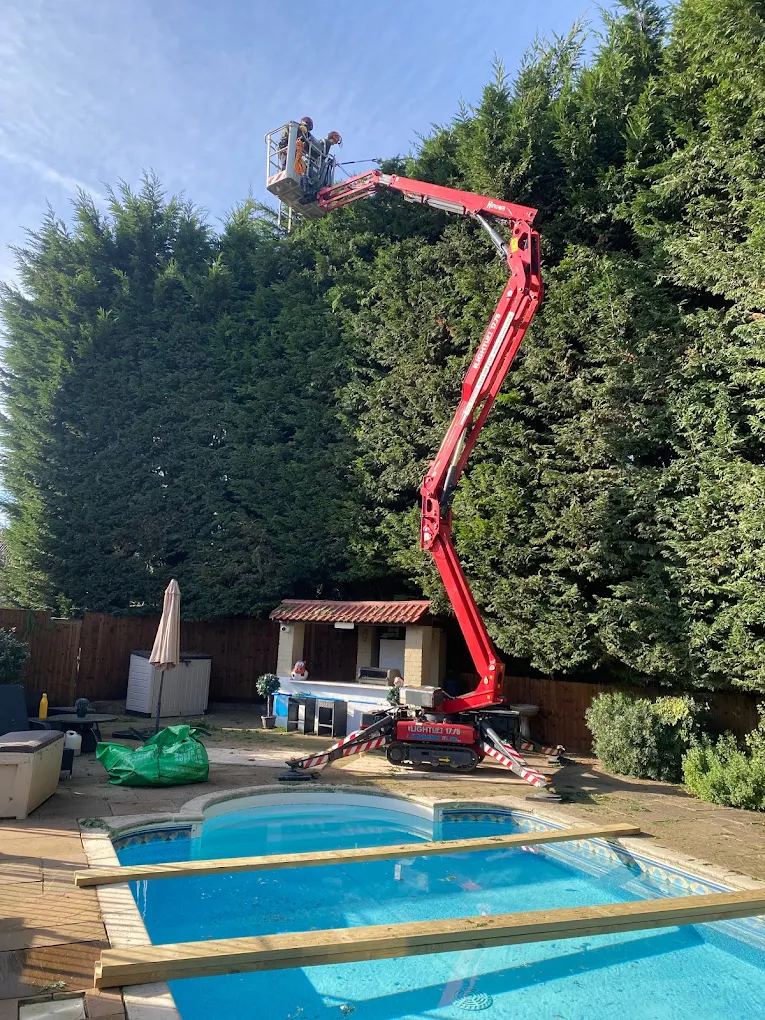
Where hedges become extremely tall or difficult to access safely, professional equipment may be required to carry out trimming safely.
Autumn Hedge Trimming, September to November
One of the Best Times for Hedge Maintenance
Autumn provides one of the most suitable periods for hedge trimming.
At this point:
The bird nesting season has finished
Growth begins slowing naturally
Plants prepare for winter dormancy
Benefits of cutting hedges during autumn include:
Improving hedge shape before winter
Strengthening the hedge structure
Preparing plants for healthy spring growth
Deciduous hedges such as beech and hornbeam often respond particularly well to autumn trimming.
How Often Different Hedges Should Be Trimmed
Different hedge species grow at different rates. This affects how often trimming is required.
Hedge Maintenance Frequency Guide

Fast-growing species can quickly become difficult to manage without regular trimming.
If hedges have grown excessively tall or dense, specialist equipment may be required to manage them safely.
Tools Used for Safe Maintenance
Equipment Arborists Use
Different hedge sizes require different trimming tools.
Professional hedge trimming equipment includes:
Secateurs for precise branch cutting
Hedge shears for shaping smaller hedges
Electric hedge trimmers for medium hedges
Petrol hedge trimmers for dense or large hedges
Protective gloves and eye protection for safety
The Woodland Trust recommends using clean tools to reduce the risk of spreading plant diseases between hedges.
If you are unsure which tools are suitable or how to maintain them correctly, our team can provide further guidance based on your garden and hedge type.
Signs Your Hedge May Need Professional Trimming
Some hedge problems require professional expertise to correct safely.
Warning signs include:
Hedge height exceeding safe ladder access
Dense internal growth prevents airflow
Uneven hedge shape with large gaps
Hedges spreading beyond property boundaries
Branches affecting buildings or nearby structures
Where hedges require regular attention alongside trees and surrounding vegetation, many property owners choose professional support, combining hedge tidying with broader grounds maintenance to keep the entire property well-maintained
Professional Hedge Maintenance and Tree Care
Hedge trimming is only one part of maintaining a healthy outdoor space. Trees, shrubs, and surrounding vegetation all require careful management to remain safe and structurally stable.
Professional arborists can assist with:
Hedge trimming and reshaping
Tree pruning and crown management
Tree removal when safety risks develop
Stump removal following tree felling
Vegetation management for overgrown landscapes
If you are interested in learning more about the types of work that can be carried out professionally, you can explore the full range of tree maintenance solutions through our services page.
Need Professional Hedge or Tree Services?
Maintaining hedges throughout the year helps prevent overgrowth, protect property boundaries, and encourage healthy plant growth. While guidance like this can be useful for understanding seasonal care and maintenance, managing hedges, trees, and surrounding vegetation in practice can sometimes feel more complex than it appears. Factors such as timing, plant health, and safe techniques often require careful consideration.
If you would prefer professional support, our experienced arborists provide reliable tree care and maintenance services in Sidcup, helping homeowners and businesses with hedge trimming, pruning, vegetation management, and long-term garden care.
Arrange a professional tree inspection today

Comments