

When To Prune Trees UK: Expert Advice From M.A.C Tree Care
Knowing when to prune trees in the UK can make a significant difference to their health, shape, safety, and long-term growth. At M.A.C Tree Care, we provide professional tree pruning services for homeowners, schools, landlords, and businesses across Sidcup, Kent, and the surrounding areas. This guide explains the best times of year to prune different trees, when pruning should be avoided, and when it is safer to call a qualified tree surgeon.
The Best Time To Prune Most Trees In The UK
For many trees, the best time to prune is during the dormant season, usually from late autumn through winter and into early spring. During this period, trees are not actively growing, which can reduce stress and make it easier to see the branch structure clearly. The RHS recommends identifying the tree first and checking the most suitable pruning time for that species before starting work.
Winter pruning is often suitable for structural work, removing crossing branches, improving shape, and reducing risk from weak or damaged limbs. However, not every tree should be pruned in winter, so species, condition, location, and the reason for pruning all matter.
Why Pruning Timing Matters
Tree pruning is not just about cutting branches back. Correct timing helps protect the tree and encourages healthier regrowth.
Good pruning can help:
-
Remove dead, damaged, or diseased branches
-
Improve tree shape and structure
-
Reduce risk from weak or overextended limbs
-
Increase light and airflow through the canopy
-
Create clearance from buildings, paths, driveways, and roads
-
Support long-term tree health
Poor timing or heavy-handed pruning can stress a tree, encourage weak regrowth, increase disease risk, or permanently damage its natural form.

Seasonal Tree Pruning Guide For The UK
Winter Tree Pruning
Winter is often the best time for many types of tree pruning because the tree is dormant and the crown structure is easier to inspect. This makes it a suitable time for formative pruning, structural work, crown thinning, crown lifting, and removing damaged branches.
Winter pruning is commonly suitable for many deciduous trees, but it should still be planned carefully. Some species bleed sap heavily if pruned at the wrong time, while others are more vulnerable to disease.


Spring Tree Pruning
Spring pruning should be approached with care. As trees begin active growth, heavy pruning may place unnecessary stress on them. Light remedial pruning may still be appropriate, particularly where there are dead, damaged, or hazardous branches.
Before pruning in spring, it is important to check carefully for nesting birds. Wild birds, their nests, and eggs are protected under UK law, and work should not disturb active nests. The main nesting season usually runs from March to August, although this can vary depending on weather and species.
Summer Tree Pruning
Summer pruning can be useful for managing growth, reducing weight on selected limbs, or controlling trees that respond better outside the dormant season. It can also help reveal how much shade or clearance a tree is creating while in full leaf.
Some trees, including certain fruit trees, may benefit from summer pruning. However, heavy crown work in hot or dry conditions should usually be avoided unless there is a safety reason.


Autumn Tree Pruning
Autumn is not always the best time for major pruning. Damp conditions and falling leaves can increase the risk of fungal spores entering fresh cuts. Light safety work may still be carried out where needed, but larger pruning should usually be planned for a more suitable time.
If a tree is unsafe, damaged, or causing an immediate concern, professional advice should be sought rather than waiting for the ideal season.
Best Time To Prune Different Types Of Trees

Deciduous Trees
Many deciduous trees are best pruned during winter dormancy. This is when the tree has lost its leaves, making it easier to assess branch structure and identify defects.
Suitable work may include crown thinning, crown lifting, crown reduction, and removing dead or damaged branches.
Fruit Trees
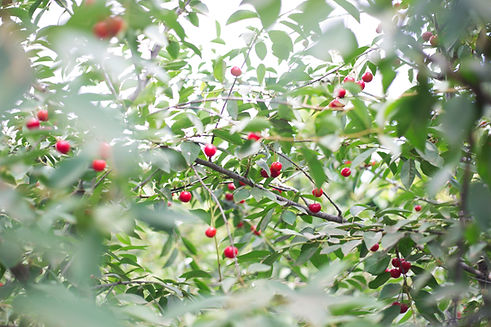
Fruit trees vary depending on species and purpose. Apple and pear trees are often pruned in winter, while some stone fruits such as cherry and plum are generally pruned in summer to reduce disease risk.
Because timing varies significantly, it is best to identify the tree before pruning.

Evergreen Trees
Evergreens often need lighter, more careful pruning than deciduous trees. Many respond best to modest shaping in spring or summer rather than heavy cutting.
Cutting too far into old wood can leave permanent bare patches on some evergreen species.
Conifers
Conifers need careful handling because many do not regrow from old brown wood. Light trimming may be suitable for shape control, but heavy reductions can damage appearance and long-term structure.
If conifers have become too large, a professional assessment is recommended before cutting.


Mature Or Protected Trees
Large, mature, or protected trees should always be assessed carefully before pruning. If a tree is covered by a Tree Preservation Order or is in a conservation area, consent or formal notice may be required before work is carried out. GOV.UK explains that TPOs can make it an offence to cut down, top, lop, uproot, wilfully damage, or destroy a protected tree without permission.
When Should Trees Not Be Pruned?
Tree pruning should usually be avoided when:
-
Birds are actively nesting in the tree
-
The tree is under severe drought stress
-
The tree is showing serious signs of disease without expert assessment
-
The tree may be protected by a TPO or conservation area rules
-
Heavy pruning would remove too much live growth at once
-
The work requires climbing, rigging, or specialist equipment
If you are unsure whether a tree can be pruned safely, it is best to get professional advice before starting.

How Much Can You Prune From A Tree?
As a general principle, pruning should be kept as minimal as possible while achieving the required outcome. Removing too much live growth can weaken the tree, encourage poor regrowth, and increase long-term maintenance issues.
A qualified tree surgeon will consider:
-
Species
-
Age
-
Condition
-
Previous pruning history
-
Structural weaknesses
-
Site restrictions
-
Desired outcome
-
Safety risks
Professional pruning is about making selective cuts, not simply reducing the tree as much as possible.
Do You Need Permission To Prune A Tree?
You may need permission before pruning if the tree is protected by a Tree Preservation Order or is located in a conservation area. The Planning Portal advises checking with the local council if you are unsure whether a tree is protected before pruning or felling.
M.A.C Tree Care can provide practical guidance on protected trees, TPOs, and conservation area considerations.

When To Call A Professional Tree Surgeon
You should contact a professional tree surgeon if:
-
The tree is large, mature, or difficult to access
-
Branches are close to buildings, roads, or power lines
-
The tree appears diseased, unstable, or storm damaged
-
You need crown reduction, crown lifting, or crown thinning
-
The tree may be protected
-
You are unsure how much can safely be removed
-
Specialist climbing or lowering equipment is required
At M.A.C Tree Care, our NPTC-qualified team has more than 20 years of arboricultural experience. We carry £5 million public liability insurance and provide safe, tidy, professional tree pruning across Sidcup and the surrounding areas.
Tree Pruning In Sidcup And The Surrounding Areas
Based in Sidcup, M.A.C Tree Care provides professional tree pruning and wider tree surgery services across Kent and South East London. We work with homeowners, schools, landlords, housing associations, commercial clients, and developers.
We cover Sidcup and surrounding areas including Bexley, Welling, Chislehurst, Orpington, Dartford, Sevenoaks, Maidstone, Gravesend, Greenwich, and nearby locations.
Frequently Asked Questions About When To Prune Trees In The UK
Get Expert Tree Pruning Advice From M.A.C Tree Care
The best time to prune trees in the UK depends on the species, condition, location, and purpose of the work. If you are unsure when to prune, how much to remove, or whether permission is needed, M.A.C Tree Care can help. Our experienced team provides clear advice and professional tree pruning services across Sidcup, Kent, and the surrounding areas.
Areas We Cover
Borough of Bexley
Thamesmead, Abbey Wood, Belvedere, Erith, Northumberland Heath, East Wickham, Welling, Bexleyheath, Barnehurst, Crayford, Blackfen, Blendon, Bridgen, Bexley, Halfway Street, Longlands, North Cray, Sidcup, and Foots Cray.
Kent
Borough of Bromley
Sevenoaks
Borough of Greenwich
London - for larger projects, we cover the wider areas of London

Working Hours
Monday 7 am–5 pm
Tuesday 7 am–5 pm
Wednesday 7 am–5 pm
Thursday 7 am–5 pm
Friday 7 am-5 pm
Saturday 7 am–5 pm
Sunday Closed